
Workplaces would be accident-free in an ideal world. Unfortunately, accidents can sometimes happen, no matter how careful we are. But this shouldn’t be used as an excuse for laziness or pessimism. On the contrary, businesses must continuously be vigilant and take every precaution to reduce workplace risks.
Accidents at work not only hurt individuals physically and psychologically, but they also cost businesses money.
Employers should concentrate on preventing workplace accidents rather than applying a “band-aid” repair after every incident. It’s never too late to start over, and now is a fantastic moment to do so. Although one would assume that you already do all of these things, here are some fundamental guidelines to put into practice (or review) in order to prevent workplace mishaps.
It’s never too late to start over, and now is a fantastic moment to do so. Although one would assume that you already do all of these things, here are some fundamental guidelines to put into practice (or review) in order to prevent workplace mishaps.
1. Encourage safe practices

When workers push themselves too far, accidents can happen at work. They might desire to demonstrate their strength to their coworkers. Perhaps they want to produce more in order to get paid more. They may even have had prior injuries and started working before fully recovering.
While you should motivate staff to be as effective and inventive as they can. Employers should reward innovation rather than risk that could cause accidents, it is advised. Make it clear that you value employee safety much more than increased productivity.
2. Examine your policies and practices
Review your company’s safety rules and procedures every year and after workplace incidents. Are they still relevant to the dangers your employees are exposed to? Your health and safety committee should update these documents in the event that you have modified how you carry out a task, begun using new tools or equipment, or moved to a new location.
Inform your staff of any updates to safety procedures when and if you make them. For small revisions, send a company-wide email outlining the changes, but if a policy or process changes considerably, offer updated training. You can ask for help from a central coast lawyer for any legal matters with workplace injury complaints.
3. Be knowledgeable about injuries and musculoskeletal conditions (MSDs) (MSIs)
Many industrial injuries are the result of poor ergonomics; from workplaces to construction sites, poor posture and other ergonomic issues can have extremely severe effects. Employers must be proactive in preventing workplace accidents:
Musculoskeletal injuries are all too frequently treated with reactive methods rather than proactively addressing the multiple reasons that contribute to these injuries in the workplace context of accidents.
Musculoskeletal injury risk cannot be compartmentalised. At the end of their shift, workers do not switch from their work bodies to their domestic bodies.
4. Put controls in place
Create a strategy to put control measures in place that will lessen the likelihood that the hazards your employees confront result in workplace accidents if you are aware of them. The various sorts of controls you can apply and their efficacy are depicted in this hierarchy of controls graphic.
Think about a worker who uses a computer all day and is susceptible to carpal tunnel syndrome. A wrist brace is the least efficient technique to reduce this risk (PPE). Allowing them briefly, frequent breaks are a better option (administrative controls). Better yet, mix up their assignments so they don’t spend the entire shift solely performing the same repetitive typing motions (substitution).
5. Offer sufficient training
A badly trained individual poses a risk on top of that. Not only to their coworkers and other third parties but also to themselves. Without the appropriate training, an individual may unintentionally endanger both himself and their coworkers.
Provide every new employee, regardless of experience level, with a rigorous training programme to prevent workplace accidents. While it might take a little longer for them to begin producing work, you’ll safeguard both your staff members and yourself from liability. Additionally, hold frequent retraining sessions to keep staff members current on policies and procedures.
6. Conduct routine inspections
Using hazardous equipment is unavoidable in professions including building, shipping, manufacturing, and repair. Accidents at work, though, don’t have to be an unavoidable aspect of the job.
Conduct routine checks of the machinery, tools, and equipment. Ensures the tools employees use for their jobs are secure and functional, from each employee’s hammer to massive, shared machines. If something fails, fix it right away or replace it. A few pennies saved on a machine part could endanger an employee’s health or cost your business millions of dollars in legal costs.
7. Look for potential dangers or hazards
Last but not least, while it may seem like a simple step, knowing which dangers are present at work is essential to accident prevention. The same guidelines cannot be applied universally. A fantastic strategy to keep track of potential risks and areas for improvement is to step up inspections of locations and equipment.
8. Supervise staff
Whether you’re at an office or on a construction site, it’s crucial to give each individual enough supervision. This guarantees that staff members are aware of their responsibilities and can easily contact a supervisor with any inquiries.
Without a supervisor present, a worker who is unsure of their task can “wing it,” which could result in harm to themselves or others, damage to their equipment, or wasted time spent correcting a mistake. Encourage free communication between managers and staff by training managers to do the same.
9. Offer a variety of support
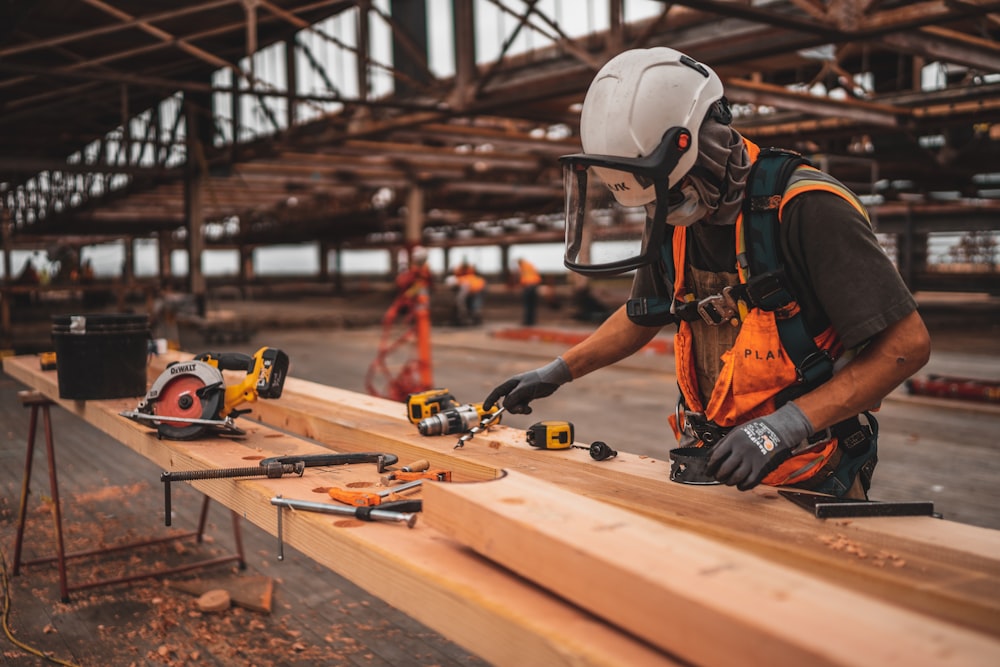
The work environment, the task, or the materials can all contribute to workplace accidents. However, other factors may also be taken into accounts, such as their training, experience, or state of health. A worker can’t provide their best effort at work if they are exhausted, overworked, ill, or dealing with problems at home. At best, this might lead to decreased productivity, and at worst, a serious workplace accident.
At work and in your benefits plan, give employees a thorough list of physical and mental health options. Everyone is safer when an employee feels supported and in good health.
10. Keep the workplace tidy and communicate clearly
The basic requirement of maintaining a tidy workplace or site eludes certain businesses. Simple tasks like keeping track of inventory, ensuring that the floor is clear and that exits are not blocked, providing safety data sheets for chemicals on-site, etc., must be completed. Additionally, signage should be used to inform employees.
If you think this article is helpful, let us know what you think in the comments below.